
Robots Are Next
Last week in China. First time back on a semi-vacation since 2016 — so unlike the work trips in between, I had time to actually walk around and watch.
When I left in 2016, China’s high-speed rail, EV play, and solar ambitions were still interesting headlines on the horizon. Ten years on: the rail network is now longer than every other country’s combined. Chinese consumers now buy more EVs than fuel cars. Solar capacity has grown 15x and jumped from 1% to 10% of power consumption. All of it ahead of where anyone in 2016 thought it would be.
So I started looking at what’s on the fringes today — and checked the stats.
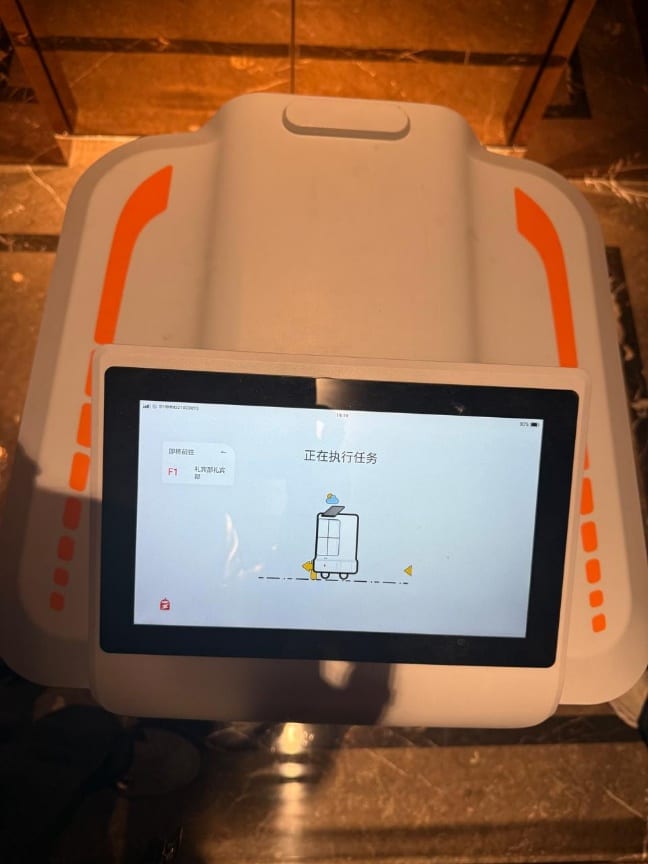
- Concierge bots weaving through my hotel, serving guests. One Chinese company has now deployed them in 34,000+ hotels, replacing 1–2 staff each.
- A swarm of show drones lined up like soldiers on the Hangzhou riverfront. Last October, a single computer in Liuyang flew nearly 16,000 drones in perfect synchrony.
- An “intelligent store” in a park — no staff, just a fridge with AI and connectivity. Over 2,000 fully unmanned stores now operate across China.
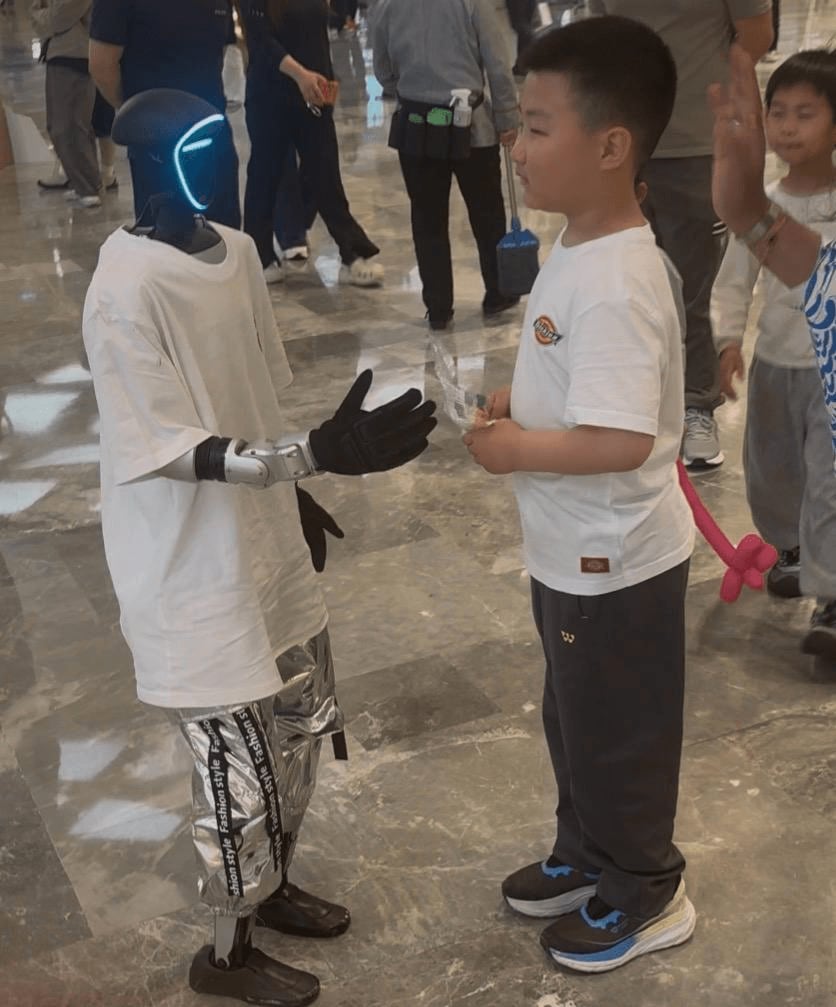
- A humanoid in a brand-promo shirt in a Hangzhou mall, shaking a kid’s hand. Of the 16,000 humanoid robots installed globally in 2025, more than 4 in 5 were Chinese.


The headline for me isn’t China. It’s the clock.
Mobile took a decade to absorb. Generative AI took two years. Robotics will arrive faster still — because the rails are already laid. Connectivity, digital habits, payments, AI, manufacturing depth — all stacked and transforming what comes next.
The clock is compressing in India too. Not everyone is ready. But the rails are laid here too — connectivity, scale, mobile, payments. AI and robotics will follow. The future organization will be a curious one — humans, AI agents, and robots working together. Those who lean in and test what’s possible will win.
Are you ready? The future will be here a little before yesterday’s gone.
Originally published on LinkedIn